The Sliding Cake Problem Nobody Warns You About (Until Your Birthday Disaster Goes Viral)
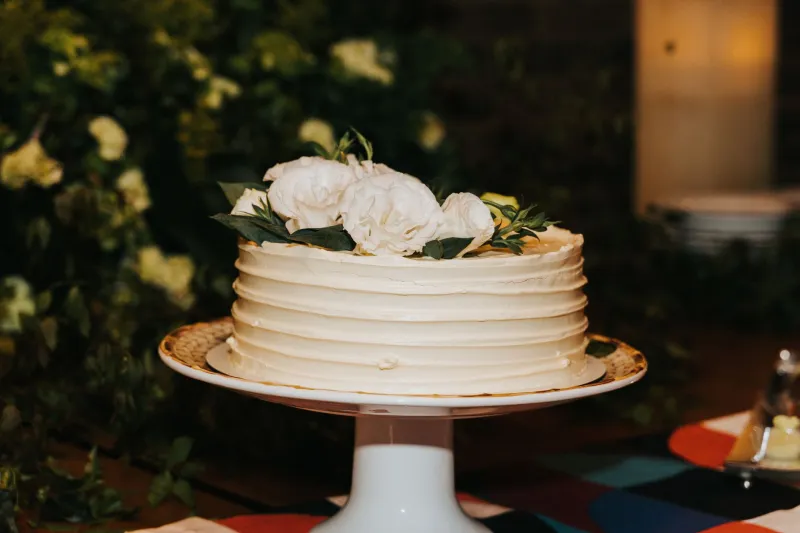
Picture this: You've spent three hours baking, two hours cooling, forty-five minutes frosting, and approximately one lifetime second-guessing your life choices — and the moment you move that cake to the table, the top layer starts doing a slow, dignified slide toward the edge like it's trying to escape the party. You grab it. You curse. You Google "why is my cake sliding" at 11pm with frosting in your hair.
Welcome. You're in the right place.
Here's the thing: most people immediately blame their filling. Too much jam. Too soft a buttercream. Not enough time in the fridge. And while those things can absolutely contribute to a structural catastrophe, they're usually not the whole story — or even the main chapter. The real reasons your layers are pulling a Bambi-on-ice routine are weirder, more mundane, and honestly kind of embarrassing once you see them.
Let's get into it.
Your Cake Is Still Warm and You're Pretending It Isn't
This one hurts because it's so simple. Cake layers need to be fully cool before you stack them. Not "I touched the top and it felt okay" cool. Not "it's been on the rack for 45 minutes" cool. We're talking room temperature all the way through — center included.
Here's the physics of it: warm cake is still releasing steam from the inside. That moisture has to go somewhere, and when you trap it between layers of frosting, it softens the crumb, weakens the surface, and turns your filling into a slip-and-slide. The frosting doesn't grip. The layers don't bond. Everything shifts.
If you're in a rush, wrap the layers tightly in plastic wrap and stick them in the fridge for an hour. Cold cake is actually easier to handle and frost. This is one of those unsexy, non-negotiable baking truths that nobody puts on Pinterest because it's just... waiting. But it works.
The Dome Problem Is Quietly Ruining Your Stacks
Cakes dome. It's what they do. And a lot of bakers either ignore this or handle it wrong, then wonder why their stack looks like a geological formation instead of a dessert.
When you stack a domed layer on top of a flat one, you get a rocking surface. The top layer has one real contact point — the tip of the dome — and everything else is just hanging in the air waiting to slide. Add filling, add another layer, add gravity, and you've got yourself a problem.
Level your layers. Use a serrated knife or a cake leveler and just take that dome off. It takes two minutes. The difference in stability is not subtle. Flat surfaces stack. Domed surfaces gamble.
Frosting Temperature Is a Real Thing and You're Ignoring It
Your buttercream has a temperature sweet spot, and most home bakers never find it because they're either spreading frosting straight from the mixer (too soft) or pulling it out of the fridge and immediately attacking the cake (too stiff and it tears the crumb).
Frosting that's too warm has almost no surface tension. It's greasy, it slides, and it acts as a lubricant between layers instead of an adhesive. Frosting that's too cold doesn't spread evenly and can pull chunks out of your cake, creating uneven surfaces that — say it with me — cause sliding.
You want buttercream that holds a soft peak and spreads smoothly without feeling greasy or stiff. If it's summer and your kitchen is 78°F, that means working faster and refrigerating between layers. If it's winter and your kitchen is cold, let the buttercream sit out and come up to temperature before you start. This is not complicated. It just requires paying attention.
You're Using Too Much Filling and Calling It Generosity
Look, nobody's going to tell you to use less frosting. This is Topless Baker, not a diet blog. But there's a difference between a generous filling layer and a structural liability.
When you pipe a thick dam of buttercream around the edge and then flood the center with filling — curd, ganache, jam, whatever — you're creating a pressurized situation. The weight of the next layer squeezes that filling outward. If your dam isn't strong enough or your filling is too soft, it blows out sideways and your layer tilts.
The fix: pipe your dam, fill to just below the dam height, and refrigerate for 10-15 minutes before adding the next layer. Let the filling set slightly before you ask it to bear weight. This is especially important with softer fillings like lemon curd or mousse. Patience, again. Annoying, again. Works every time.
The Dowel Situation (Yes, Really)
If you're building a cake taller than three layers, or if you're transporting it anywhere, you need internal support. Full stop. This isn't just for wedding cakes and fancy bakeries — it's basic structural engineering applied to dessert.
Bubble tea straws work. Wooden dowels work. Even thick coffee straws in a pinch. Push them down through the layers, trim them flush with the top of the cake, and then stack. The dowels bear the vertical load so your frosting doesn't have to. Without them, you're asking buttercream to act like load-bearing walls. It cannot do this. It will fail you. It will fail everyone at the party.
This fix feels overcomplicated until the first time you use it and realize your cake traveled twenty minutes in a car and arrived looking exactly like it did when you left. Then you become a dowel evangelist.
The Cardboard Round You Skipped Is the Villain Here
Every layer of a stacked cake should have its own cardboard cake round underneath it. Not just the bottom. Every. Layer.
Cardboard rounds give you a rigid base to work from, make it possible to move individual layers without destroying them, and create a clean separation point between tiers. When you skip them, you're relying entirely on the frosting to hold everything together, and frosting is not structural. It's decorative. It has never wanted to be structural.
You can get a pack of 50 cake rounds for about eight bucks on Amazon. This is one of the cheapest fixes in baking and also one of the most ignored. Use them.
So What's the Actual Answer?
The honest truth about sliding cake layers is that it's almost never one thing. It's a combination of small oversights stacked on top of each other — warm cake, domed layers, soft frosting, too much filling, no support, no cardboard. Any one of those alone might be fine. All of them together and you've got a cake that's actively trying to leave.
Fix the cooling. Level the layers. Get your frosting temperature right. Chill between layers. Use supports for tall cakes. Use cardboard rounds for all cakes. None of this is glamorous. None of it makes for a great Instagram caption. But your cake will stay where you put it, and honestly, that's the goal.
The bakers who never have sliding cakes aren't more talented than you. They've just stopped skipping the boring parts.