Buttercream Meltdown: Why Your Frosting Looks Like Scrambled Eggs and What's Actually Fixing It
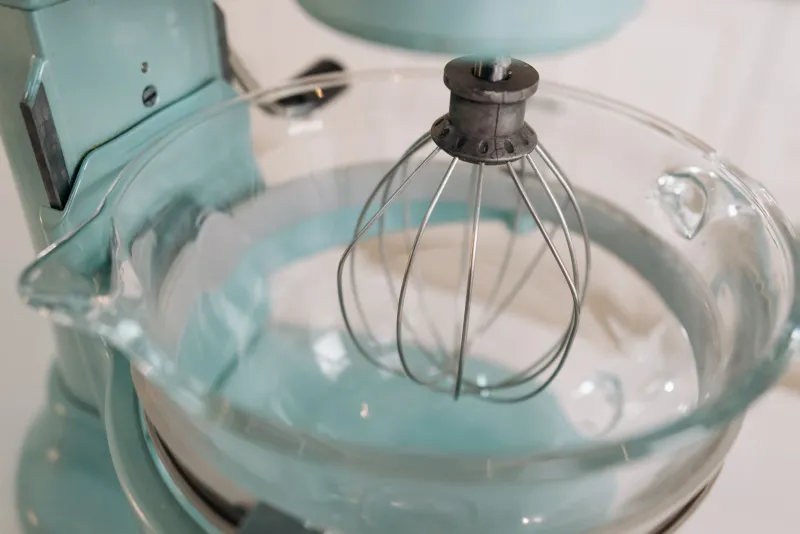
Let's set the scene. You're standing over your stand mixer, watching what was supposed to be a silky, cloud-like Swiss meringue buttercream slowly transform into something that looks like it was scraped off the bottom of a soup pot. It's greasy. It's curdled. There are little yellow chunks floating around like a dairy catastrophe. You Google "buttercream broken" and every single result says the same thing: your butter wasn't room temperature.
Cool. Super helpful. Thanks, internet.
Except you did leave the butter out. For two hours. In your kitchen. In July. In Texas. And now you have warm soup with butter chunks instead of frosting, so clearly "room temperature" isn't the complete answer anyone is pretending it is.
Here's the truth: buttercream breaks for specific, diagnosable reasons — and fixing it requires knowing which specific disaster you're dealing with, not just throwing the same generic advice at every problem and hoping for the best.
First, Let's Talk About What Buttercream Actually Is
At its core, buttercream is an emulsion. You're asking fat and water (and in the case of meringue-based buttercreams, a cooked sugar syrup) to hold hands and play nice in the same bowl. Fat and water do not naturally want to do this. They need encouragement, the right conditions, and a very specific temperature window to cooperate.
There are a few main styles of buttercream — American, Swiss meringue, Italian meringue, French — and each one breaks differently and for different reasons. The internet loves to treat them all the same. The internet is wrong.
American buttercream (powdered sugar + butter + a splash of cream) is the most forgiving of the bunch. If yours is broken, it's almost certainly a ratio problem or you used butter that was either too cold and didn't incorporate, or too warm and turned the whole thing greasy. It's not an emulsion in the scientific sense — it's more of a fat-suspended sugar paste — so "broken" usually just means gritty or greasy, not actually split.
Swiss and Italian meringue buttercreams are where things get genuinely complicated, because now you're dealing with a real emulsion: cooked meringue (water + sugar + egg white) being asked to absorb a significant amount of fat. This is where the curdled soup situation lives. This is where people cry.
The Temperature Window Nobody Tells You Is Actually a Window
Here's the thing about "room temperature butter" — that phrase is doing a lot of heavy lifting and not delivering. Room temperature in a New England winter and room temperature in a Phoenix summer are not the same thing. And butter, being a fat, behaves very differently across even a 10-degree range.
For buttercream to work — specifically for meringue-based buttercreams — your butter needs to be somewhere between 65°F and 68°F. That's the sweet spot. Below that, the butter is too firm to incorporate smoothly and you'll get chunks. Above that — say, 72°F or higher — the fat starts to soften past the point of no return, and instead of holding the emulsion together, it collapses it.
Most American kitchens in summer are sitting at 74°F or warmer. Your "room temperature" butter is already too soft before it ever hits the bowl. This is not a personal failing. This is physics.
Get a cheap instant-read thermometer. Stick it in your butter. If it reads over 68°F, put the butter back in the fridge for 10 minutes. Yes, really. Yes, even if you already left it out for two hours.
Diagnosing Your Specific Disaster
Before you do anything, figure out which of these is happening:
The Soupy Soup Problem: Your buttercream looks like melted ice cream. It's liquid, greasy, and sad. This means your butter (or your meringue, or both) was too warm. The fat melted past the emulsification point. The fix: put the whole bowl in the refrigerator for 10-15 minutes, then re-whip. Don't walk away and forget it. You want it cold enough to firm back up, not solid. Re-whip on medium speed and watch it come back together. This works more often than people expect.
The Curdled Cottage Cheese Problem: There are chunks. It looks broken and lumpy, like something went very wrong at a dairy farm. This is actually the most common meringue buttercream failure and — here's the part that blows people's minds — it usually means your butter was too cold, not too warm. The cold fat seized up when it hit the meringue and refused to incorporate. The fix: keep mixing. Seriously. Set a timer for five minutes and just let the mixer run. The friction from the mixing will warm the butter slightly and it will, eventually, come together. If it doesn't after five minutes, wrap a warm towel around the bowl for 30 seconds and try again.
The Greasy, Shiny, Won't-Thicken Problem: Your buttercream looks slick and won't hold peaks. This is a warm butter situation. Back to the fridge it goes.
The Gritty, Sandy Texture Problem: Almost exclusively an American buttercream issue. Your powdered sugar wasn't sifted, or you didn't beat it long enough to dissolve the sugar into the fat. Add a teaspoon of cream and beat on high for two full minutes. The grittiness usually resolves.
The Fixes That Actually Work (And the Ones That Don't)
The most common bad advice you'll see: "Add more powdered sugar." Please don't do this unless you're making American buttercream and it's too loose. Adding powdered sugar to a broken Swiss meringue buttercream doesn't fix the emulsion — it just makes a broken, gritty mess.
Another common bad call: "Start over." Almost never necessary. Broken buttercream can almost always be saved with temperature adjustment and time.
What actually works:
- Cold fix: Refrigerate the bowl for 10-15 minutes, re-whip on medium.
- Warm fix: Keep mixing and let friction do the work, or briefly warm the bowl with a towel or a quick pass with a hairdryer on the outside of the bowl (yes, really, bakers do this).
- Patience: Meringue buttercream can look horrifying for a full 5-7 minutes of mixing before it suddenly, miraculously, comes together. Don't panic-dump it.
The Part About Meringue Temperature People Skip
For Swiss meringue buttercream specifically: your meringue needs to be fully cooled before you add butter. Not warm. Not slightly warm. Cool to the touch, and ideally around 72°F or lower on that thermometer you now own. If you add butter to warm meringue, you're adding fat to a warm water-based mixture and the fat melts immediately instead of emulsifying. That's your soup problem, right there, and it starts before the butter even hits the bowl.
Whip that meringue until the bowl is cool to the touch. In humid climates, this can take 10-12 minutes of whipping. Don't rush it.
The Bottom Line
Your buttercream isn't broken because you're a bad baker. It's broken because temperature is genuinely finicky, the "room temperature" advice skips over about fourteen important details, and nobody told you that a broken buttercream is almost always fixable with a thermometer and five extra minutes.
Buy the thermometer. Stop guessing. And the next time your frosting looks like scrambled eggs, don't throw it out — just figure out whether it's too hot or too cold and adjust accordingly. The answer is almost always one of those two things, and now you know how to tell the difference.