Cast Iron Doesn't Lie: The Real Reason Your Cornbread Keeps Coming Out Sad
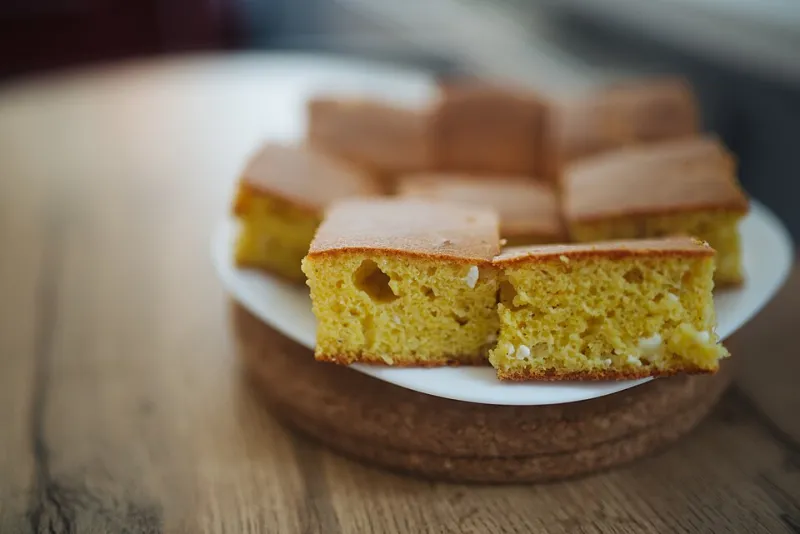
Photo: Shixart1985, CC BY 2.0, via Wikimedia Commons
Let's get something straight before we go any further. Your grandma wasn't a better baker than you because she had some secret recipe passed down through generations, whispered under a full moon. She was better because she cooked cornbread in a cast iron skillet, and you're over here pouring batter into a nonstick loaf pan like that's an acceptable life choice.
We need to talk about what's actually happening inside that skillet — because once you understand it, you'll never reach for your shiny modern bakeware again. At least not for cornbread.
Your Oven Is Not the Problem. Your Pan Is.
Most home bakers assume that if the oven temperature is right, the results will be right. Logical! Also wrong. The pan you choose has an enormous impact on how heat moves through your batter, and nowhere is this more obvious than with cornbread.
Modern baking vessels — your aluminum pans, ceramic dishes, even those aggressively marketed nonstick muffin tins — heat up quickly and cool down just as fast. That sounds efficient. It is not. What it actually means is that your batter hits a pan that's still trying to figure out what temperature it wants to be, and the bottom of your cornbread never gets the aggressive, direct heat it needs to form a proper crust.
Cast iron is different. Cast iron is stubborn. It heats slowly, holds that heat like it's personally offended by the idea of losing it, and distributes that energy evenly across its surface. When you pour cornbread batter into a properly preheated cast iron skillet, the bottom of that batter immediately hits a surface that's ripping hot and ready to work. The result? A crust forms within seconds. Not a pale, soft suggestion of a crust. An actual crust. Brown, crispy, slightly caramelized around the edges. The kind of crust that makes a sound when you tap it.
The Science Part (We'll Keep It Short, We Promise)
Here's the deal with thermal mass. Cast iron has a significantly higher heat capacity than aluminum or ceramic, which means it stores more energy per unit of temperature. When cold batter hits a high-thermal-mass surface, the pan doesn't lose much heat — it just transfers it aggressively into whatever's sitting on top of it.
This is called thermal inertia, and it is your best friend in cornbread production.
Aluminum pans, by contrast, have low thermal mass. They heat fast and lose heat fast. Cold batter drops the surface temperature significantly, and you end up with a pan that's basically just along for the ride rather than actively cooking your cornbread from the bottom up.
The difference in browning is dramatic. The Maillard reaction — that magical chemical process responsible for browning, flavor development, and basically every reason food tastes good — needs sustained, consistent heat to happen properly. Cast iron delivers that. Your nonstick pan does not.
We Ran a Blind Taste Test. The Results Were Embarrassing.
We recruited eight people — a mix of home bakers and self-described "cornbread people" (yes, that's a thing in the South) — and gave them four versions of the same cornbread recipe baked in different vessels: a 10-inch cast iron skillet, a standard 8x8 aluminum pan, a ceramic baking dish, and a silicone mold.
All pans were used at the same oven temperature. The cast iron was preheated in the oven for 10 minutes before adding batter. The others were not.
Results:
- Cast iron: 7 out of 8 panelists ranked it first. Comments included "this is what cornbread is supposed to taste like" and "okay I need this recipe right now."
- Aluminum pan: Ranked second overall, with most panelists noting it was "fine" but lacked a real crust.
- Ceramic dish: Soft, pale bottom, described by one taster as "bread-adjacent."
- Silicone mold: We don't want to talk about it. The tester who ranked it first was immediately disqualified.
The verdict was unanimous in all but name: cast iron won, and it wasn't particularly close.
The Preheat Step Is Non-Negotiable
Here's where most people go wrong even when they do use cast iron. They skip the preheat. They pull out the skillet, grease it, pour in the batter, and shove it in the oven cold. That's like showing up to a drag race in park. The whole point is the thermal head start.
Preheat your skillet in the oven while it comes up to temperature. When the oven hits 425°F (and yes, cornbread wants 425°F — this is not a gentle bake), your skillet should already be in there getting ready. Add a tablespoon of butter or bacon fat right before you pour in the batter. It should sizzle immediately and aggressively. If it doesn't sizzle, the pan isn't hot enough. Wait longer.
That sizzle is the sound of your cornbread's future crust being born.
What About Newer Equipment, Though?
Look, we're not here to tell you your fancy Dutch oven or your high-end ceramic bakeware is garbage. For certain applications, modern equipment is genuinely excellent. Delicate cakes, custards, anything where you want gentle heat distribution — modern bakeware has a place.
But cornbread isn't delicate. Cornbread wants to be treated rough. It wants direct, aggressive, sustained heat from the bottom. It wants a crust that could survive a minor incident. And for that job, a hundred-year-old piece of cast iron that's been seasoned by decades of someone else's cooking will outperform a brand-new $60 ceramic dish every single time.
The newer equipment assumption is worth questioning in general. In baking, older often means more intentional — tools that were designed around what the food actually needs rather than what looks good on a kitchen counter.
The Bottom Line
If you don't own a cast iron skillet, buy one. A 10-inch Lodge skillet runs about $30 on Amazon and will outlive you, your children, and probably your children's children. Season it properly, preheat it like you mean it, and make cornbread in it at least once before you form any more opinions about cornbread.
Your grandma didn't need a culinary degree or a subscription to a baking newsletter. She just had the right tool, and she understood — maybe instinctively, maybe through years of getting it wrong first — that the pan is half the recipe.
Now go find her skillet. It's probably in a cabinet somewhere, waiting for you to stop being a disappointment.