7 Professional Baking Tricks They're Not Teaching You (But Should Be)
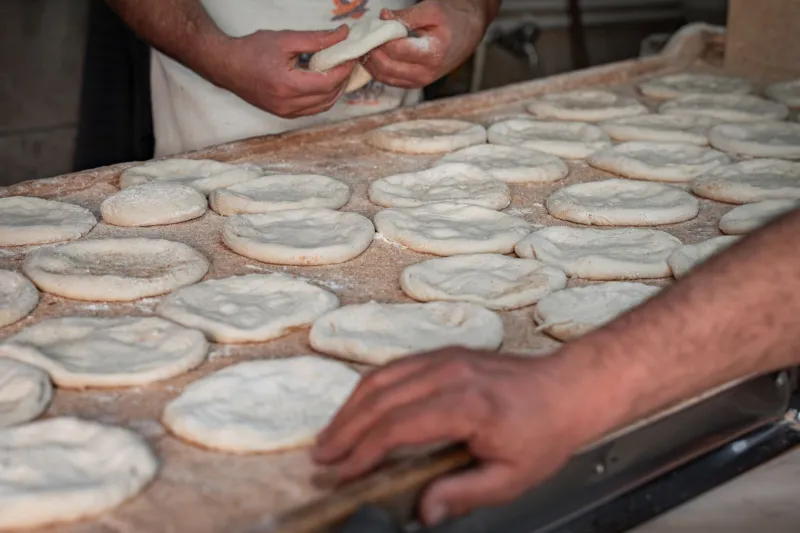
Here's a fun little secret about the food industry: a lot of the gap between what comes out of a professional bakery and what comes out of your home oven has nothing to do with equipment, exotic ingredients, or years of training. It has everything to do with a handful of techniques that professionals use so automatically they've forgotten they're even doing them.
These aren't secrets locked in a vault somewhere. They're just things that get passed down in professional kitchens and never make it into the average recipe blog because, frankly, explaining them takes more than two sentences. We're fixing that right now.
1. Mise en Place Isn't Just for Cooking Shows
Every professional baker has their mise en place sorted before they touch a single ingredient. That French term just means "everything in its place" — all ingredients measured, all equipment ready, all timers set, all pans prepped before you start mixing. It sounds fussy and unnecessary until the moment you're elbow-deep in a creamed butter mixture and realize your eggs are still cold in the fridge.
The reason this matters in baking specifically: temperature and timing are everything. If you're scrambling to measure your flour while your butter is waiting in the bowl, you've already thrown off the process. Take five minutes before you start anything. Measure it all out. Set it on the counter. Then begin. Your results will improve immediately, and you'll stop having that specific panic of realizing mid-recipe that you're out of baking powder.
2. Brown Butter Everything (Seriously, Everything)
Professional pastry chefs use brown butter — beurre noisette, if you want to be fancy about it — constantly, and home bakers almost never do. It takes an extra four minutes and turns ordinary butter into something that tastes like toasted hazelnuts and caramel got together and decided to make your life better.
Swap browned butter for regular melted butter in chocolate chip cookies, banana bread, muffins, pound cake, or basically any recipe where butter is melted rather than creamed. The flavor depth it adds is absurd for the amount of effort involved. The technique: melt butter in a light-colored pan over medium heat, swirl occasionally, and pull it off the heat the second the milk solids at the bottom turn deep golden and it smells nutty. Let it cool slightly before using.
3. Salt Is a Flavor Amplifier, Not Just a Seasoning
Professional bakers add salt with intention. Home recipes often under-salt baked goods because there's a cultural hangover from the idea that sweet things shouldn't taste salty. This is wrong. Salt doesn't make things taste salty — it makes them taste more like themselves. It suppresses bitterness and amplifies sweetness and complexity.
The move here is twofold. First, use the amount of salt the recipe calls for without reducing it. Second, finish your baked goods with a flaky salt like Maldon on top — chocolate chip cookies, brownies, caramel tarts, even certain muffins. That contrast between sweet and salty on the surface is a professional pastry trick that costs about $6 for a box that lasts six months.
4. Temperature Manipulation Changes Everything
Professional bakers think about ingredient temperature the way a musician thinks about timing. Room temperature eggs, butter, and dairy aren't just a suggestion — they're the difference between a properly emulsified batter and a broken, curdled mess.
But here's the less-talked-about flip side: cold fat is your best friend in pie crust, biscuits, and laminated doughs. When you want flaky layers, you need the fat to stay solid until it hits the oven. That means keeping your butter cubed and frozen, working quickly, and sometimes even chilling your mixing bowl. Professionals manipulate temperature deliberately throughout a recipe. Start paying attention to which recipes want cold fat and which want room temp — it's one of the most high-leverage habits you can develop.
5. The Double Bake (Or: Why Your Pie Crust Is Soggy)
Soggy pie bottoms are one of the most common complaints in home baking, and professional bakers solved this problem decades ago with blind baking — pre-baking the crust before adding wet fillings. But here's the part that often gets left out: after blind baking, brush the inside of the crust with a thin layer of egg wash or melted white chocolate and return it to the oven for two to three minutes. This creates a moisture barrier that keeps your filling from soaking through.
For fruit pies and custard tarts especially, this technique is the difference between a crust that holds up and one that turns into a sad, damp disc. It costs you five minutes. Use them.
6. Lamination Is Easier Than You Think
Flaky croissants, danishes, and puff pastry get their layers through lamination — the process of folding butter into dough repeatedly to create hundreds of distinct layers. Professional bakers do this daily. Home bakers treat it like advanced rocket science. It's not.
You don't need to make croissants from scratch to use lamination logic. When making biscuits or scones, use the fold-and-turn method: after mixing your dough, fold it over itself four to six times, rotating 90 degrees each time, before cutting. This builds layers without the full lamination process. The result is biscuits that shatter into distinct, buttery strata instead of crumbling into a uniform blob. Try it once and you'll never go back.
7. Resting Dough Is Not Optional
Almost every professional baking recipe includes rest periods that home bakers skip because they're impatient. Here's why that's a mistake: resting allows gluten to relax, which makes dough easier to shape and produces a more tender crumb. It also allows flavors to develop and hydration to distribute evenly through the flour.
For cookie dough specifically, a 24 to 72-hour cold rest in the refrigerator before baking produces dramatically better results — deeper flavor, better texture, and cookies that spread less and hold their shape more. For pie dough, a minimum 30-minute rest after mixing is non-negotiable. For bread, overnight cold fermentation is a game changer.
Patience is a technique. Professional bakers know this. Their schedules are built around it.
The Real Secret
None of these techniques require a commercial oven, a professional mixer, or a culinary degree. They require attention, a little patience, and the willingness to treat your home kitchen like the serious place it is. Professional bakers aren't wizards — they're just people who learned to respect the process.
Steal their moves. Your kitchen is more than capable.