Stop Beating the Life Out of Your Batter: The Overmixing Epidemic Nobody's Talking About
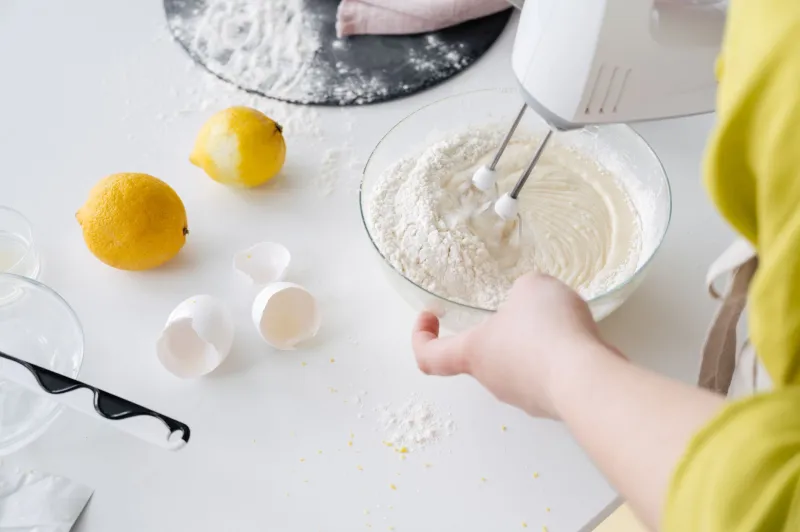
Here's a scenario that plays out in kitchens across America approximately ten thousand times every weekend: someone makes a cake batter, stares at it, decides it doesn't look quite right, and hits the mixer button again. And again. And maybe one more time for good measure. Then the cake comes out dense, rubbery, and vaguely tragic — and they blame the recipe.
The recipe didn't do this. You did.
Overmixing is the most common, most preventable, and somehow least-discussed mistake in home baking. It's not about bad ingredients or a janky oven. It's about anxiety — specifically, the deeply American anxiety that if something is worth doing, it's worth overdoing. More mixing means more thorough, right? More combined, more uniform, more correct?
Wrong. Catastrophically, deliciously wrong.
What Actually Happens When You Overmix
Let's get briefly nerdy, because understanding the science is what's going to stop you from committing this crime again.
When flour hits liquid and gets agitated, gluten develops. Gluten is great in bread. It's what gives a baguette that satisfying chew, what lets sourdough trap all those gorgeous gas bubbles. In bread baking, gluten development is the whole point.
But in cake? In muffins? In pancakes? Gluten is the enemy. You want just enough mixing to bring everything together — and then you need to put the spatula down and walk away. Every additional stir after that point is building more gluten structure, tightening the crumb, and turning your would-be fluffy birthday cake into something closer to a rubber hockey puck with frosting on it.
Beyond gluten, overmixing also knocks out the air you spent time creaming into your butter and sugar. That air is what makes cakes light. Beat it out, and you've just done a tremendous amount of work to make something worse than if you'd done less.
The Recipes That Hate You for Mixing Too Much
Muffins and quick breads: These are the most overmixed baked goods in America, and it's not even close. The standard muffin recipe says "stir until just combined" and home bakers interpret that as "stir until it looks like a smooth, glossy, professionally prepared batter." Those two things are not the same. A proper muffin batter looks a little lumpy. It looks wrong to the untrained eye. Mix until the dry ingredients are just incorporated — a few streaks of flour are fine, they'll sort themselves out in the oven — and stop. Your muffins will be tender. Your muffins will have domed tops. Your muffins will be worth eating.
Pancakes: Same deal. Lumpy batter makes fluffy pancakes. Smooth batter makes sad, flat, chewy pancakes. If your pancakes look like crepes and you can't figure out why, I need you to look inward.
Cake batter (after adding flour): The creaming stage — butter and sugar — genuinely benefits from a longer mix. Go ahead, three to five minutes, make it fluffy and pale. But the moment flour enters the bowl, you are now on a countdown. Mix on low, stop the second things come together, and do not let your eyes convince you that "a little more" is a good idea.
Pie crust and biscuits: Not technically mixing, but the same instinct kills these too. Overworking pie dough or biscuit dough develops gluten and melts the fat, which means no flakiness, no layers, just sadness in a round shape.
The Recipes That Actually Want You to Go Hard
Not everything is fragile. Some things genuinely need you to commit.
Bread dough: Mix it. Knead it. Develop that gluten with intention. This is where your aggression belongs.
Choux pastry: You need to beat eggs into that hot dough paste until it's glossy and smooth. Don't be shy.
Swiss or Italian meringue buttercream: Once your butter is in, you can whip this for a while. It'll look broken and curdled and you'll panic — keep going. It comes back together. The mixing is doing something here.
Whipped cream: Up to a point. Then you'll have butter. Don't make butter unless you're trying to make butter.
A Practical Timing Guide (Because You Need It)
Let's make this concrete, because vague advice like "mix until just combined" clearly hasn't been working.
- Muffin and quick bread batter after adding wet to dry: 10 to 15 folds with a spatula. That's it. Set a number and stick to it.
- Cake batter after flour addition: 30 seconds on low speed, max. Scrape the bowl, another 15 seconds if needed. Done.
- Pancake batter: Stir maybe 12 times. Count. Stop when you hit 12 even if it looks wrong.
- Cookie dough after adding flour: Mix until the flour disappears and then one more revolution of the bowl. That's your limit.
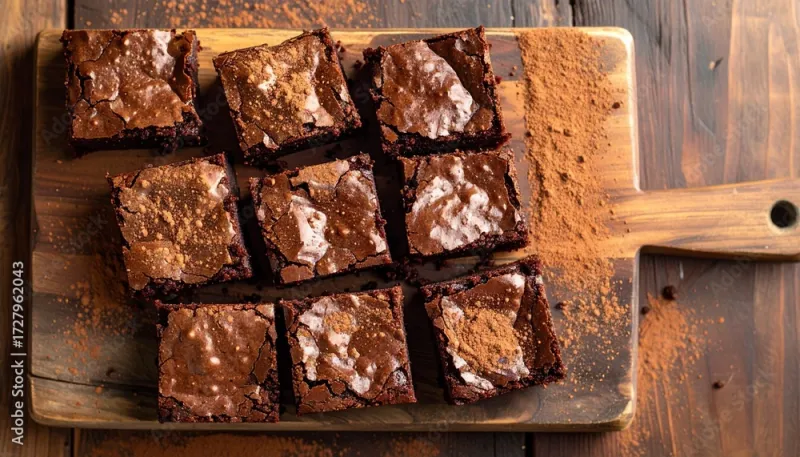
- Brownie batter: Brownies are more forgiving than cake, but they still don't want to be overworked. A minute of hand stirring is plenty.
Why Your Instincts Are Lying to You
Here's the uncomfortable truth: most people overmix because undermixed batter looks wrong. It looks lumpy and uneven and unprofessional, and we've all been trained by cooking shows and food photography to expect perfection at every stage.
But baking isn't about what the batter looks like. It's about what comes out of the oven. A lumpy muffin batter that produces a tender, domed, bakery-quality muffin is correct. A silky-smooth muffin batter that produces a dense, rubbery puck is wrong, no matter how good it looked in the bowl.
Trust the outcome, not the process aesthetics.
Also — and this is important — most recipes were developed by professional bakers who wrote "stir until just combined" because that's what they meant. They are not being coy. They are not assuming you'll know to mix it more. They mean exactly what they said, and they're watching you ignore them from whatever test kitchen they developed that recipe in, shaking their heads.
The Fix Is Embarrassingly Simple
Stop early. Like, earlier than you think. Earlier than feels right. The first time you do it, it's going to feel like you're serving your family half-finished batter. Then the muffins will come out perfect and you'll have to quietly reckon with all the years you spent overbeating everything into submission.
Get a timer if you have to. Count your strokes. Set a rule and follow it mechanically until the instinct to keep mixing fades away.
Your baked goods have been quietly suffering, and they've never been able to tell you why. Now you know. Put the mixer down.